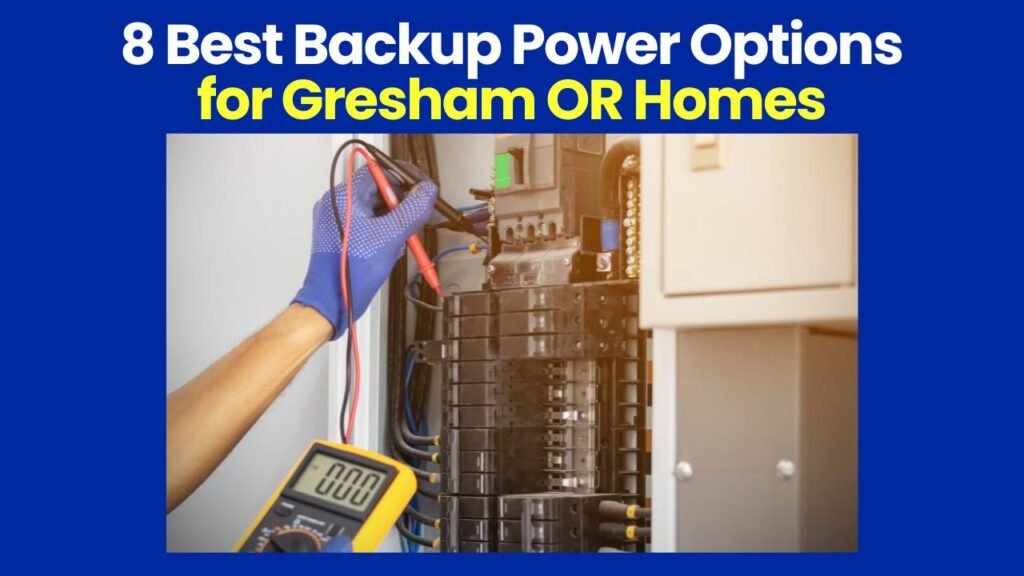
8 Best Backup Power Options for Gresham OR Homes
Power outages can happen at any time. Severe weather, fallen trees, vehicle accidents, equipment failures, and utility maintenance can all leave homeowners without electricity.
For many families in Gresham, losing power means more than inconvenience. It can affect heating, cooling, refrigeration, internet access, medical devices, and home security systems.
Fortunately, several backup power solutions can help keep your home running when the grid goes down.
This guide explains the most popular backup power options for Gresham homeowners, their advantages, and how to determine which solution is right for your property.
Why Backup Power Matters?
Modern homes rely heavily on electricity.
A power outage can impact:
- Refrigerators and freezers
- Heating systems
- Air conditioning
- Internet and Wi-Fi
- Security systems
- Medical equipment
- Home offices
- Electric vehicle charging
Investing in backup power helps protect your family and provides peace of mind during unexpected outages.
If you’re considering a backup power installation, a licensed Electrician Gresham Oregon can evaluate your home’s electrical needs and recommend the best solution.
Portable Generators
Portable generators are one of the most affordable backup power options.
Advantages include:
- Lower upfront cost
- Mobility
- Temporary emergency power
- Wide range of sizes
Portable generators can power essential items such as:
- Refrigerators
- Lights
- Small appliances
- Sump pumps
However, they require manual setup and fueling during outages.
Portable generators should never be operated indoors or in enclosed spaces due to carbon monoxide risks.
Standby Generators
Standby generators provide automatic backup power when utility service is interrupted.
Benefits include:
- Automatic operation
- Whole-home coverage
- Reliable performance
- Increased home value
- Long-term convenience
These systems are permanently installed and connected to an automatic transfer switch.
When utility power fails, the generator starts automatically and powers selected circuits or the entire home.
Many homeowners choose standby generators for maximum convenience and reliability.
Whole-Home Generator Systems
Whole-home generators are designed to power nearly every electrical system in the house.
They can support:
- HVAC systems
- Refrigerators
- Freezers
- Water heaters
- Lighting
- Home offices
- Medical equipment
These systems are ideal for homeowners who want uninterrupted comfort during extended outages.
Partial Backup Systems
Not every homeowner needs whole-home power.
Many families choose to power only critical loads, such as:
- Refrigeration
- Lighting
- Heating equipment
- Essential outlets
- Internet equipment
Partial backup systems often reduce installation costs while still providing essential protection.
Battery Backup Systems
Battery energy storage systems have become increasingly popular.
Advantages include:
- Silent operation
- No fuel requirements
- Low maintenance
- Instant power transfer
- Renewable energy compatibility
Battery systems store electricity for use during outages and can often work alongside solar panels.
Solar Battery Backup
Solar battery systems combine solar energy generation with battery storage.
Benefits include:
- Reduced dependence on the utility grid
- Renewable energy production
- Backup power during outages
- Potential energy savings
During normal conditions, excess solar production charges the battery system.
When an outage occurs, stored power can supply critical household loads.
Automatic Transfer Switches
A transfer switch is a critical component of many backup power systems.
Its purpose is to:
- Safely disconnect utility power
- Connect backup power sources
- Prevent dangerous back-feeding
- Protect utility workers
Professional installation is essential for safety and code compliance.
Choosing the Right Generator Size
Generator sizing depends on your electrical demand.
Factors include:
- Home size
- Number of appliances
- HVAC requirements
- Water heating systems
- Medical equipment needs
A professional load calculation helps determine the correct system size.
Improper sizing can result in inadequate performance or unnecessary costs.
Electrical Code Requirements
Backup power systems must comply with local electrical regulations.
Requirements often include:
- Proper transfer equipment
- Grounding and bonding
- Permit approval
- Inspection requirements
- Manufacturer installation standards
Before installing a generator, homeowners should understand applicable regulations.
For more information, visit:
Electrical Code Requirements in Gresham, OR
Permit Requirements for Generator Installation
Many generator installations require permits and inspections.
Permits help ensure:
- Safe installation
- Proper wiring
- Code compliance
- Correct equipment operation
Before beginning a backup power project, review:
Do I Need a Permit for Electrical Work in Gresham?
Professional electricians can often manage the permit process on behalf of homeowners.
Common Electrical Problems During Outages
Older homes can experience additional complications during power interruptions.
Issues may include:
- Weak electrical panels
- Outdated wiring
- Overloaded circuits
- Insufficient grounding
If your home has recurring electrical concerns, you may find this guide helpful:
Electrical Problems Common in Older Gresham Homes
Addressing existing electrical issues before installing backup power equipment can improve safety and performance.
Cost of Backup Power Systems
Backup power costs vary significantly depending on the type of system selected.
| Backup Power Option | Typical Cost Range |
|---|---|
| Portable Generator | Lower Cost |
| Transfer Switch Installation | Moderate Cost |
| Standby Generator | Higher Investment |
| Whole-Home Generator | Premium Investment |
| Battery Backup System | Varies by Capacity |
The final price depends on:
- Equipment size
- Installation complexity
- Fuel source
- Electrical upgrades
- Permit requirements
For local pricing information, see:
How Much Does an Electrician Cost in Gresham, OR?
Why Professional Installation Matters
Backup power systems involve complex electrical connections that must operate safely during utility outages.
Professional installation helps ensure:
- Code compliance
- Safe operation
- Proper load calculations
- Reliable performance
- Successful inspections
Improper installation can create serious safety hazards and equipment damage.
Final Thoughts
Backup power systems provide valuable protection against unexpected outages and can help keep your household comfortable and safe when utility service is interrupted.
Whether you’re considering a portable generator, standby generator, battery backup system, or whole-home solution, working with an experienced Gresham Electrician Oregon can help ensure the system is properly designed and installed.
By understanding your power needs and selecting the right backup solution, you can protect your home and family during future outages while maintaining reliable access to essential electrical systems.
